

 See My Latest Article on HelloNation
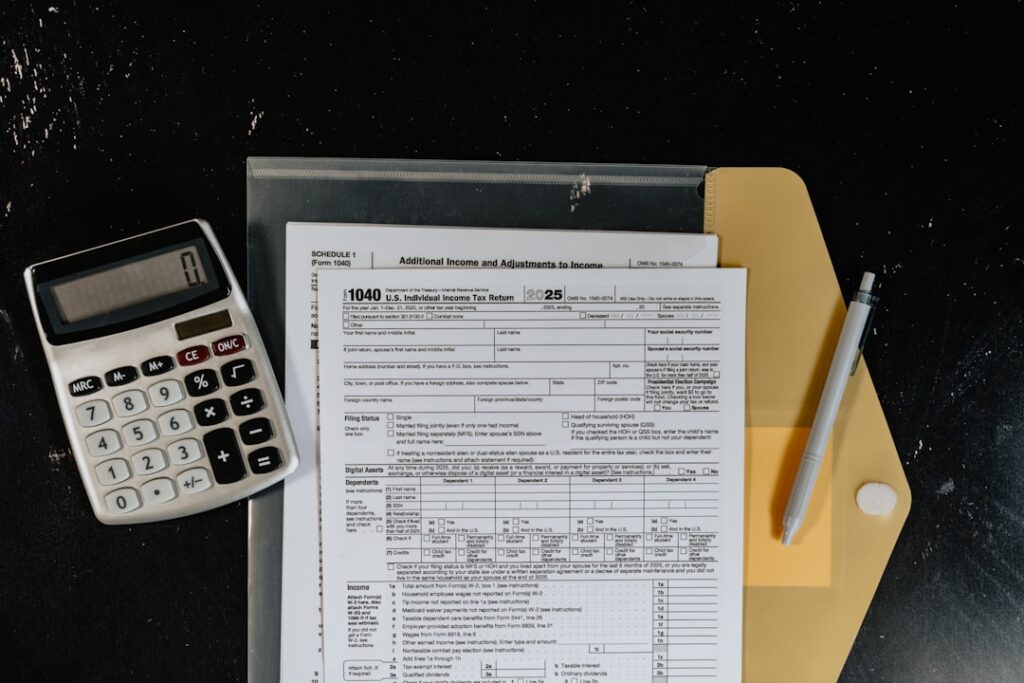
What Is Considered Taxable Income?
Almost all forms of money, goods, or benefits received are considered taxable income unless specifically excluded by law. For Clarksdale, MS residents, this means reporting many types of earnings on state and federal tax returns, not just wages from a regular job. Taxable income includes more than paychecks.
Are All Job Earnings Taxable?
Nearly every dollar earned from employment—whether full-time, part-time, or seasonal—is taxable. This includes:
- Hourly wages and salaries
- Overtime, bonuses, and tips (even from local events or seasonal work)
- Commissions or incentive pay
- Paid time off, such as vacation or sick pay
If someone works off the books, the money is still technically subject to income tax, even if taxes are not automatically withheld. For example, yard work, home repairs, or child care paid in cash still counts as income.
What About Self-Employment, Side Gigs, or Freelance Work?
Money earned from self-employment—including side hustles, farm stands, or helping neighbors with skilled labor—is considered taxable. This applies even when payments are in cash or products rather than checks.
Residents running a small home-based business or providing occasional services (such as cleaning or helping with errands) must report this income. Those who sell goods regularly at flea markets, through local classifieds, or online face the same requirement.
Expenses directly related to earning that income can usually be deducted, but the earnings must be reported first.
Is Government Assistance Taxable?
Not all government payments are taxed. Here’s how common types are treated:
- Unemployment benefits: taxable
- Social Security benefits: sometimes taxable, depending on household income
- Temporary Assistance for Needy Families (TANF): generally not taxable
- Supplemental Nutrition Assistance Program (SNAP): not taxable
- Payments from disaster relief or emergency assistance programs: usually not taxable, unless replacing lost income
Retirement, disability, and veterans' benefits sometimes have different rules, so checking the source and program rules is useful for local residents.
Are Gifts and Inheritances Taxed?
Receiving a gift of cash or property from someone else is usually not taxable to the recipient, no matter the amount. The person giving the gift may have tax responsibilities if the amount exceeds federal limits, but the recipient does not include it as income.
Inherited money and assets generally are not considered taxable income either. However, if those assets—like rental property or stocks—begin generating income after they’re inherited, that additional income will be taxable.
Do I Owe Taxes on Child Support or Alimony?
Child support payments are never taxable for the parent receiving them, and the parent paying cannot deduct them. Alimony is more complex:
- Divorce agreements finalized before 2019: alimony is taxable to the recipient and deductible for the payer
- Divorce agreements after 2018: alimony is neither taxable to the recipient nor deductible for the payer
Local families should review their paperwork or seek updated information for their specific case.
Which Investment Earnings Are Taxable?
Interest, dividends, and capital gains from investments—such as local bank accounts, stocks, or bonds—are taxable when earned or realized. This includes:
- Checking and savings account interest, even on small-dollar accounts
- Dividends from stocks or mutual funds
- Profits from selling investments, including land or valuable collectibles

Some municipal bonds may be exempt from federal or state tax, but most investment returns must be reported.
Are Scholarships and Financial Aid Taxable?
For students in the city, scholarships or grants used for qualified education expenses (tuition, required fees, books, supplies) are not taxable. However, any portion used for non-education expenses—like housing, meals, or travel—may need to be reported as income.
Work-study earnings and stipends for work performed are also taxable, just like other salaries.
Do Unusual Payments or Barter Count as Income?
Non-cash compensation, such as payment in goods, services, or barter, counts as taxable income at its fair market value. For example, trading homegrown vegetables for roofing repairs or exchanging lawn care for haircuts creates income for both parties.
Prizes, awards, contest winnings, and gambling profits earned at local events or casinos are all considered taxable, regardless of amount.
What Common Types of Income Are Not Taxed?
Some sources of funds are not considered taxable income:
- Life insurance benefits received after someone’s death
- Municipal welfare payments
- Some disability payments, depending on the source
- Qualified foster care payments
Standard insurance reimbursements for loss or damage are also not taxable if they only cover replacement cost or repair, not more than the actual loss.
What Are Overlooked Types of Taxable Income?
Area households sometimes forget these taxable sources:
- Jury duty payments, even if surrendered to an employer
- Rental income from a room, garage, or property
- Cancellation of debt (forgiven loans) in some circumstances
- Referral bonuses, rewards points redeemed for cash, or promotional rewards
Even small amounts received informally, like repair help for a neighbor in exchange for cash or services, should be listed if above the reporting threshold.
How Do Local Conditions Affect Taxable Income?
Mississippi follows federal income tax definitions closely, but area lifestyles can create unique situations. Seasonal jobs, community events, or informal work often produce taxable income, even if paid in cash. Residents who depend on a mix of earnings—including farming, gig work, and traditional jobs—should keep careful records year-round.